-
-
-
 

Thursday, March 10, 2011

Electric Fan & Health

An electric fan once was an essential heatstroke prevention item in summer for many families. Though the number of families that use electric fans has somewhat decreased due to the popularity of the air conditioner, staying in an air conditioning room for too long can cause the immunity of our body to drop, some can easily catch cold, get a fever, contract allergic rhinitis and allergic asthma, and more. These are all because of the bad air quality caused by almost no circulations in an air conditioning room, which in turn multiples the cause of disease microorganism. Since electric fan is convenient to use, it blows naturally, and does not pollute the air, from the environmental protection and health point of view, it should be the first choice when it comes to heatstroke prevention.
The question is: how should we use an electric fan scientifically?
 1. Do not get too close to the fan
When using an electric fan, some people prefer to stay very close to the fan and let the wind fiercely blow on them, especially after having strenuous exercises. This may cause the body get indisposed, feeling weary, sultry, incapable, hands and feet may feel aching and limp. In worse case, it may result in headache, fever, cold feeling, or even lead to other diseases. In summer time, the perspiration, radiation, and temperature adjustment of a human body are all mainly through the skin. When sweat evaporated, our body then cools down. But long time blowing in front of an electric fan will cause the surface temperature of our body to quickly drop. This will block the pore, which then causes heat to be kept in our body and makes us feel sultry.
2. Do not chill with the fan for too long
It is especially not healthy if you let the fan runs all night long. Skin surface temperature of any spots that are exposed to the blowing for excessively long time drops, while epidermis blood vessels are still diastolic, this will cause abnormal blood circulation, which in turn will affect excretion of sweat, result in the adjustment of nerve center to lose balance. The internal organs and nerve system must then strengthen their work, consequently fatigue and headache may appear.
3. Use middle or low speed as much as possible
Speaking of the usage of a fan, the bigger the fan blades, the higher the power it requires, then the more energy it consumes. Power consumption of a fan is in direct ratio to speed of its blades. The energy used in 1 hour at the fastest speed would allow the same fan to run nearly 2 hours at the lowest speed. Choose high speed only when necessary, turn to low speed after cooling down, this will reduce consumption of electricity. Use head turning, low speed, natural blowing options in general, choose "sleep" (if this option is available) at bed time.
4. Put fan at door or window if possible
In summer evenings, put fan at places near a door or a window when possible. This is good for air circulation by blowing cool outdoor air to indoor. Let the fan blow with the wind will increase the efficiency of lowering the temperature.
5. High speed to low speed
When turning on a fan, the switch should be set at "high speed" first, then change it to the "middle" or "low" after it runs at full speed. This is to avoid unnecessary longer motor starting time. Fans with manual tuning options are already set up in the way so the high speed has to be on first. But make sure it is at full speed before switch to lower speed. If you sense any burning smell, turn off the fan and unplug immediately.
(c) Copyrighted: You may freely republish this article as long as author bio and active hyperlinks are included.
Jacklyn Chen - Webmaster of Usana Products and Vitamin Supplements.

Reasons to Purchase Electric Fans

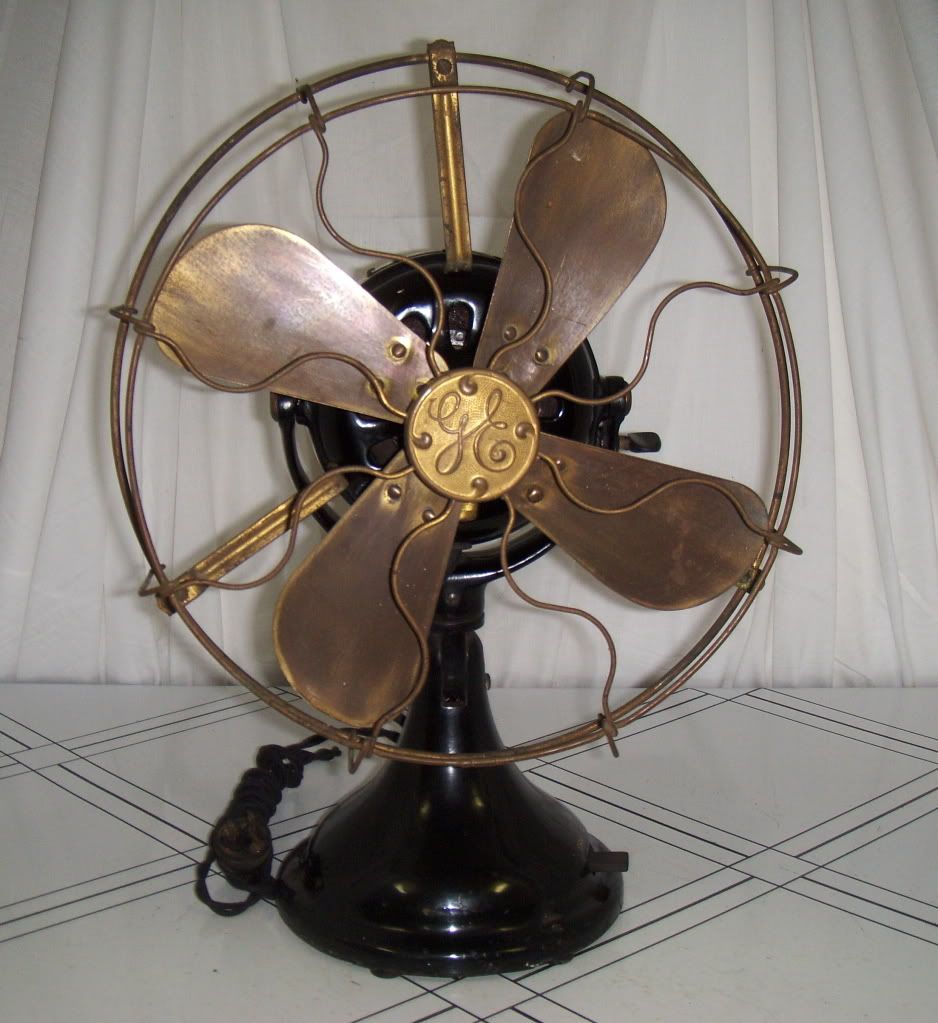
Mechanical fans made their first appearance in the 1500s as canvas covered frames called "punkahs" that were hung from ceilings. To create a cooling effect, there were ropes connected to the frame that servants pulled, making the fan move back and forth. Belt driven fans that were powered by factory waterwheels were produced during the 1800s. Electric fans were available to the general public after electric power was introduced. Fans enhanced a home's decor because they were functional and stylish and equipped with brass blades and cages.
Mass production of modern electric fans was made possible by industrialization in the 1920s. Fan sales slowed down when air conditioning was made widely available during the 1960s. Fan popularity has resurged presently and they are still commonly used in many parts of Europe and Asia. They aren't used to enhance home decor as much and feature a more utilitarian design.

 Electric fans are often used as supplemental cooling devices for spot cooling because they are more energy efficient than the refrigerated cooling provided by air conditioners. Adding ventilation, exhaust or gaseous transport are also functions an electric fan can be used for.
Three types of fan technologies used for air movement are axial, centrifugal and cross flow. The method fans use for climate control and utilized to provide comfort or ventilation is axial flow. Air is forced to move parallel to the shaft by the blades while the blades rotate around it and blow across the axis of the fan. A couple of applications that use axial flows are personal cooling in personal desk fans and giant fans commonly found in wind tunnels. An electric fan's basic components include the base, fan blade, armature and lead wires, motor, blade guard, motor housing, oscillator gearbox and oscillator shaft. The rating of an electric fan is determined by the types, size and number of blades. The materials from which the fan's components are made determine the price. The most common fans have four blades. When providing comfort, fans do not actually lower the temperature. They create a wind chill effect.
There are a wide range of designs and many different kinds of fans. Fans can be built into windows, walls, roofs or chimneys, hung from the ceiling, and can be put on the floor or table. Electric fans are used in electronic systems like computers to cool the circuits inside and in hair dryers and space heaters.
The most popular electric fans are:
Portable Electric Fans- These electric fans are fully portable and can be moved from one room to the next. Many different kinds of fans can fit into this category, such as floor fans, pedestal fans and many types of industrial fans.
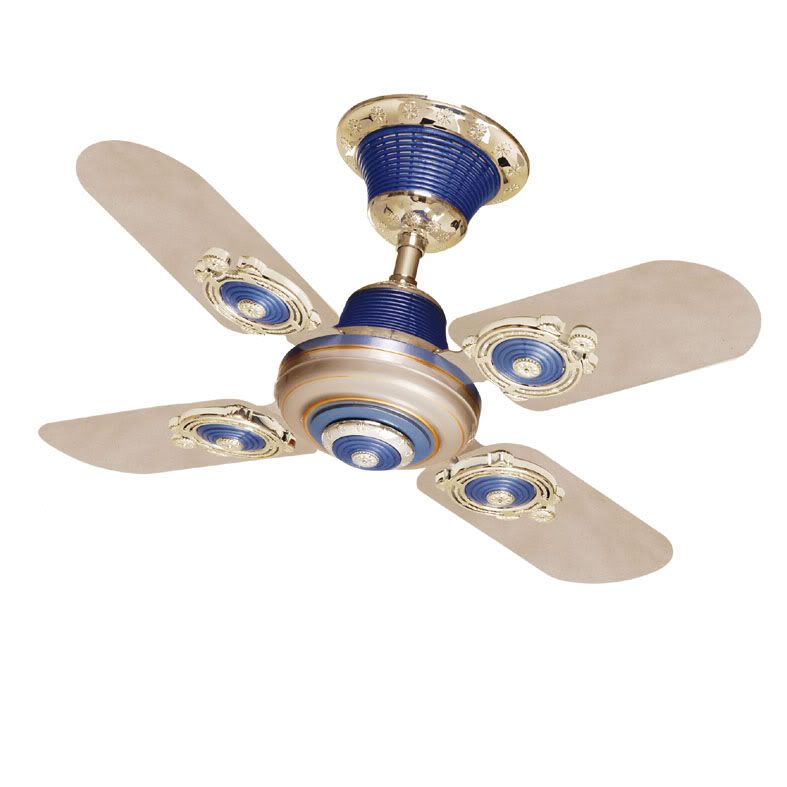
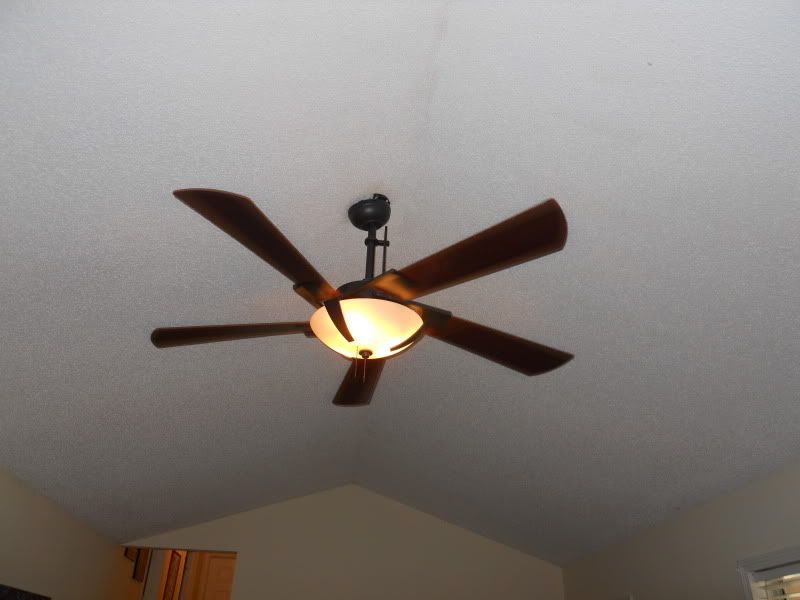
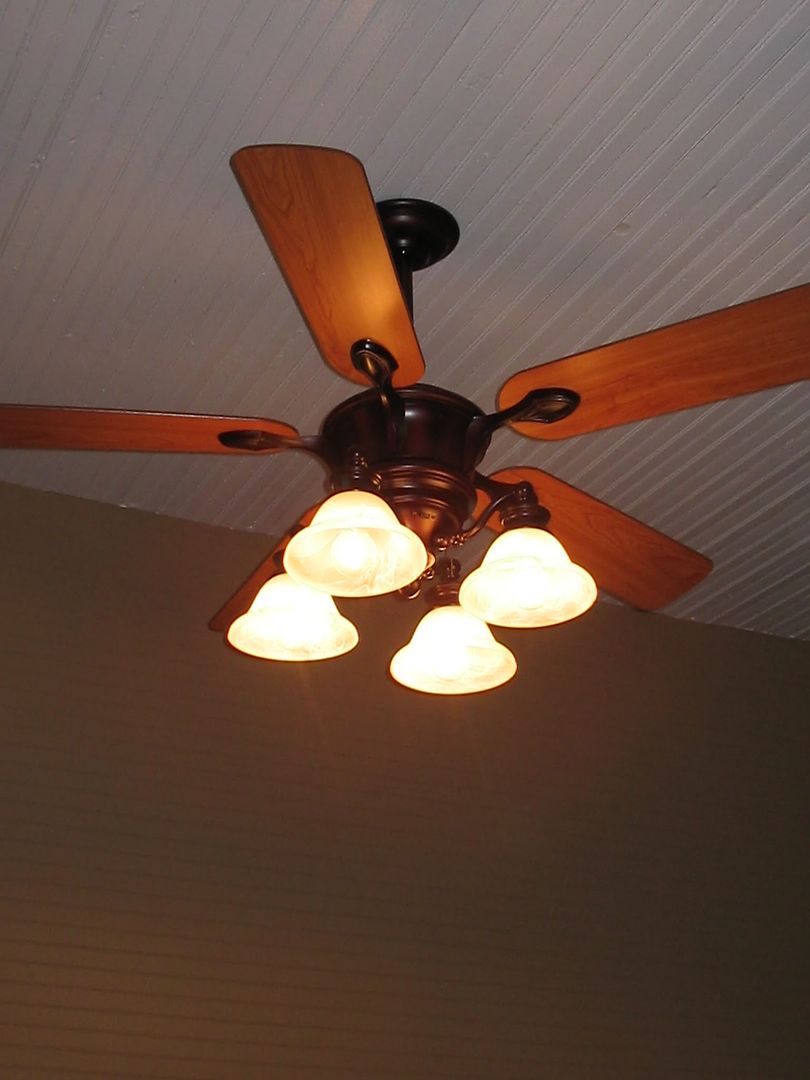
Ceiling Fans- These electric fans help cool rooms and complement decor. They employ hub-mounted, rotating paddles constructed of a number of different materials to produce a cooling effect and are suspended from the ceiling of a room. Air is blown or drawn in to create a draft which produces a chill effect. You can air out or freshen a room, lower your household's electric bill, increase the cooling effects of a portable air conditioner or central air conditioner, and increase the efficiency of your heating system when used in reverse during winter.
Exhaust Fans- These fans are mostly used to cool and provide ventilation. Some exhaust fans are installed in a window. These window fans can be used as alternatives to air conditioning. They usually have a 20 inch diameter and require a mounting kit and side panels. Exhaust fans can also be used in attics because they expel the moisture and heat that accumulates before it damages and deteriorate insulation and construction materials.
Industrial Fans- To ensure the health and safety of employees and customers, industrial and commercial settings require proper ventilation and climate and odor control. These settings are usually subject to high heat levels so high volume, low speed industrial fans are crucial when the space cannot accommodate traditional air conditioning systems. These electric fans promote fresh air and circulation so they can regulate odors and gaseous fumes and industrial blowers are particularly useful for cooling or drying applications.
Bathroom Exhaust Fans- These electric fans deal with offensive odors and humidity levels, making them vital components of your home. Excess moisture in bathrooms can lead to paint damage, warping doors, and the eventual accumulation of mold spores. Bathroom exhaust fans can come with built-in heater, lights and timer units. They are designed to be mounted on the ceiling or onto the wall.
Erin Lynn is a marketing writer in Santa Ana, CA, 92705 at Air Conditioner Home with vast knowledge of portable electric fans. For more information about cooling, portable air conditioners, swamp coolers and electric fans, visit http://www.air-conditioner-home.com
See another post

Energy, Efficiency, and Electric Fans - How to Save and Conserve Without the Extra Cost!

Many people spend hundreds of dollars each winter on heating costs, but there are several ways to help that are not widely known. For example, your ceiling fan can help in ways you might not be aware of. Reversible fans push air upward toward the ceiling, if the room is being heated the heat pushed upward will be warm and as it hits the ceiling, it will bounce off the ceiling and back down to you in the center of the room. Instead of being trapped at the top of your ceiling the fan provides a means of forcing this air down.
Of course turn off your electric fan at night and close all windows, drapes, shutters, or any other place that leads to the outdoors! (During the day open your blinds and curtains to let in the sun's rays!) Also, seal any holes that may be in your attic or walls. These are all ways to trap heat inside and prevent it from escaping. This helps because along the edges of the unit, heat may have a way to escape from here as well. Also, don't block your heating vents, and remember the simplest things can go a long way!

 Choose a small to average size fan for a bedroom or other average sized room. With a large fan, hallways and stairs are optimal. Have you ever walked up the stairs and felt a distinct chill of cold air hit you as you take each step? This is because columns of heat often rise straight up stairways (remember, scientifically, heat rises!). In this case, heat is often trapped at the top of stairways, leaving the steps of the stairs chilled and cold.
With a large reversible fan in the stairwell, the warm air will be pushed down to fill the entire space of the stair, to return your stairway to its natural temperature instead of reminding you of walking into an icy cave! You may also want to place your fan in a hallway where doors are nearby. This way when cold air comes in through doorways at the end of a hall, the warm air will continue circulating and the cold air won't be able to circulate in. The reversible motor does wonders in these types of spaces!
Simply following these few electric fan tips will bring added energy savings in the winter. You will be surprised how a little goes a long way in this case!
Audrey Peterson is a Product Specialist with knowledge in the design and applications of a variety of electric fans http://www.electric-fan.com/ Analyzed models include:
http://www.electric-fan.com/category/ceiling.aspx
http://www.electric-fan.com/category/industrial.aspx

Electric Cooling Fans Cause Car Problems

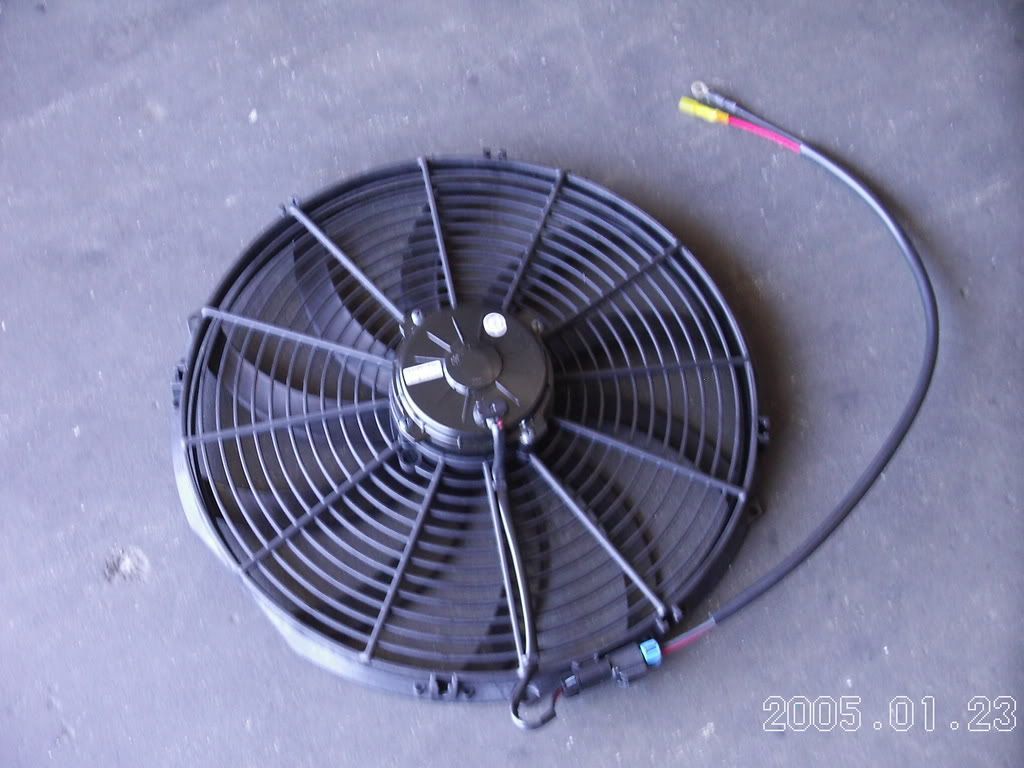
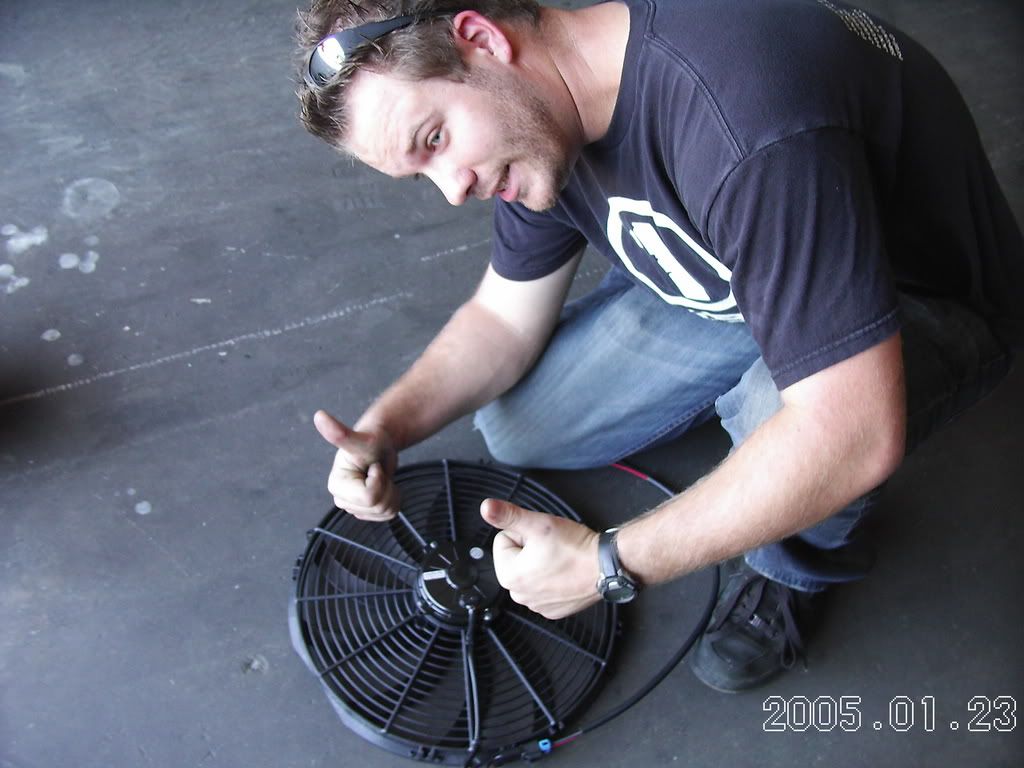
I've seen quite a few electric cooling fans give up the ghost recently. The complaint from the driver is usually the air conditioning is not working. Although some owners may notice a car overheating condition. In either case, one of the first things that a mechanic will check is to verify that the electric cooling fan is running when it is supposed to be.
The overall efficiency of a car's cooling system is based on the amount of heat that can be removed from the cooling system and transferred to the air around it. At highway speeds ram air through the radiator is sufficient to maintain proper cooling.

 When the engine is idling or the vehicle is at very low speeds. The engine's cooling system needs additional airflow. On modern cars an electric cooling fan delivers this air.
The use of this type of fan eliminates the power drain during times when fan operation is not needed. Although there are vehicles still manufactured with belt driven fans, they are not as efficient or used as often as electric fan motors.
In most late-model applications electric fans save power and reduce the noise level of the vehicle. It's hard to say how long one of these units will last, because it depends on the vehicles operating conditions. Even though modern fans are well sealed they are still made with metal parts that can wear and corrode over time.
When I have one of these cooling fan motors to diagnose I will often go right for the source and check for power and a good ground at the motor itself. I have also seen mechanics take their power probe and supply 12 V to the fan motor to see if it runs. I have also seen and used the tap test where you just use the handle of a screwdriver to tap on the back of the electric motor.
Note that a qualified mechanic should conduct these tests. The cooling fan can be a dangerous car part. If a fan motor tests good then you will have to check the other side of the circuit. This consists of a cooling fan temperature switch and a fan relay.
The temperature switch could be located in a few different places. But often they are mounted near the thermostat. The coolant temperature switch is a simple on or off switch that sends power or ground to the cooling fan relay.
This should not be confused with the coolant temp sensor for the computer, which on many vehicles is separate. When the engine coolant is below 230° or so. The switch will remain open and the fan will not run. When the temperature switch senses the engine to be over 230° the switch closes. This energizes the coil in the relay, closing the contacts and sending 12 V power to the cooling fan motor.
The above is common example of a coolant fan motor circuit. Some vehicles may have more complicated systems. Some car makers will even use the ground side of the circuit to control operation of the fan.
Are you looking for more information on diagnosing automotive electrical problems? Mark has provided a helpful five-minute video that shows you how he uses wiring diagrams. Some vehicles have inherent problems in their cooling system. You can see Marks post about Taurus coolant leaks for more information.

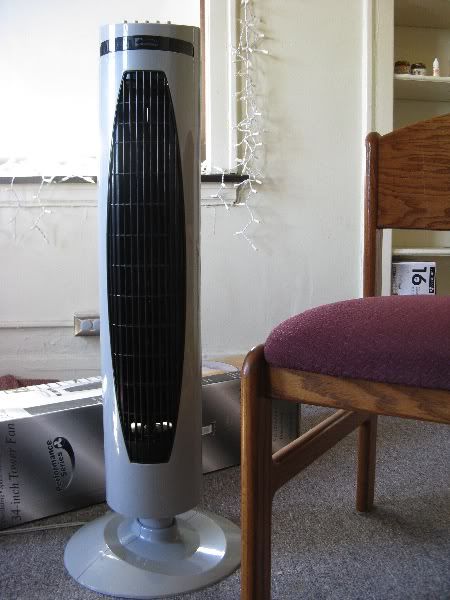
Oscillating Tower Fan - A Guide to Selecting the Best Tower Fan

If you are shopping for oscillating tower fans for your home or office then there are several choices that you have to make and by following our simple guide you should be able to find the most suitable one. It is not a super complex set of options, but there are quite a number of models to choose from and it is good to be clear about your needs and your budget before you start looking. The more expensive models come loaded with features such as timing functions, remote controls, breeze modes and even ionizers. However, these features come with a price and may not be needed for all circumstances.

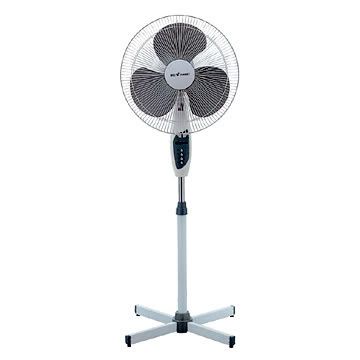
 For a larger space you may wish to consider a stand or pedestal fan as an alternative to the tower fan. The adjustable stands on these type of products enables you to get the fan head up higher and so the air can be blown over a larger area of the room. With a pedestal fan with a fairly decent sized head such as 16", which is one of the most common home fan sizes, you will get good coverage in a large room or office area. However, for smaller spaces the oscillating tower fan will be just fine.
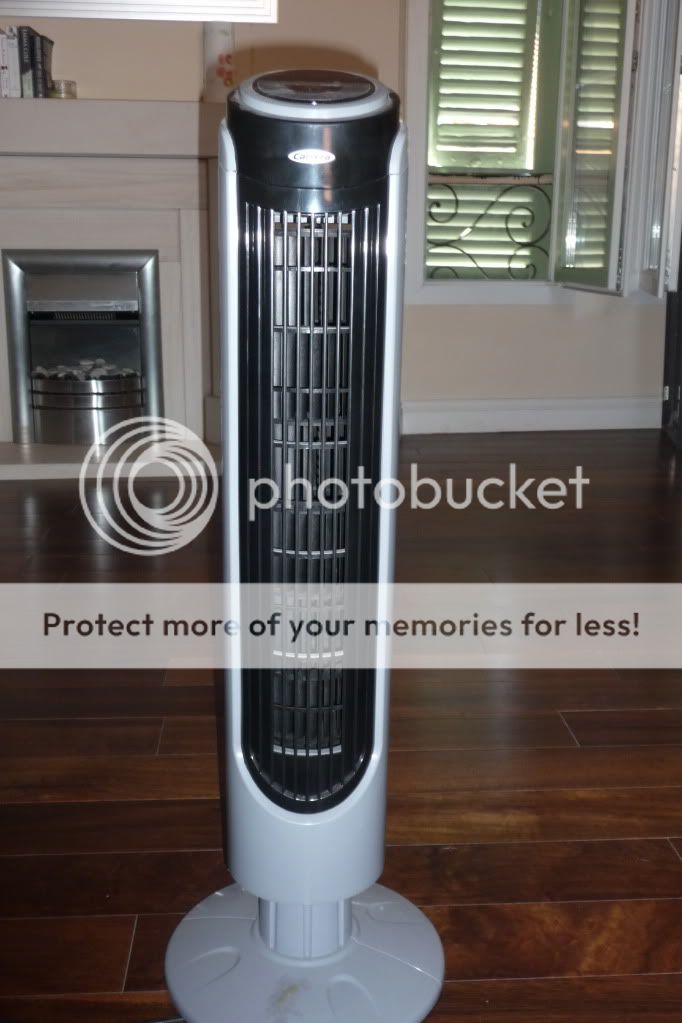
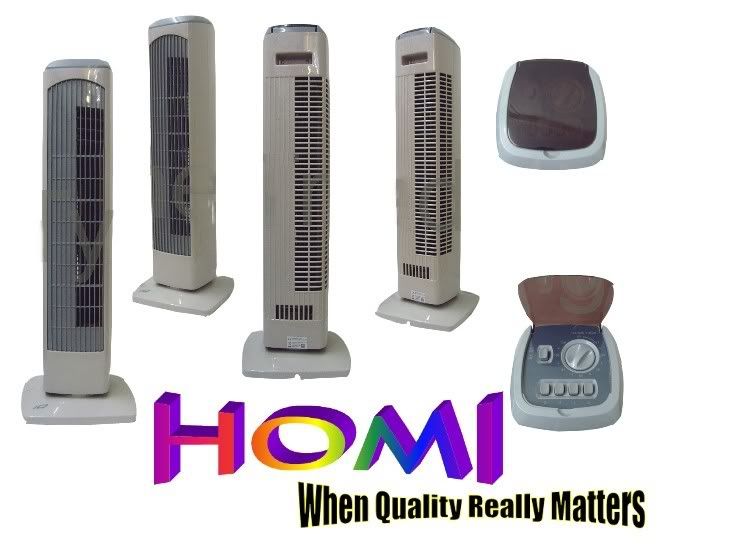
One point to make about the tower fans compared to the stand fans is that they take up less space and they also tend to look very stylish. So if you have a smaller space in your home or office an attractive looking tower fan is both practical and it looks great too. In fact, there is an even a smaller version known as the mini tower fan which can easily be placed on a table or desk.
So, once you have decided that the tower fan is suitable for the space you need cooling in you should consider if any of the more advanced features are really required. For example the more costly models in the Bionaire tower fan range have features such as a remote control. This is self explanatory, but of course it adds to the cost of the fan, so do you need this function or not? Another advanced feature is the "breeze" mode. On the Bionaire fans this mode will attempt to create a natural breeze by switching the fan between its various speed settings in a cycle. It is a great feature, but again you may not need this.
The more pricey units also tend to look a bit more "cool". Maybe they will be made with a chrome or silver finish as opposed to a more "plastic" looking cheaper unit. This is another point to consider. If you just want some basic cooling at the office or in a small workshop then you may not be bothered how the unit looks, so a cheaper oscillating tower fan would do you just fine.
However, if you need something for your living room or bedroom then maybe you would be interested to spend more to get a really good looking tower fan with some of the more high end functions. The timer function is very useful for the bedroom as it will enable the fan to switch off when you are sleeping and automatically turn on again in the morning. Most models have this, but this feature will be more sophisticated on the higher end products.
So, to conclude this quick guide you will need to first consider the room size, then consider if it is important how the fan looks and finally take in to account whether you need the more advanced features or not. A top of the range oscillating tower fan will cost you at least double the price of a basic item, so it is worth taking some time before you make your choice. Of course all these products will provide you with the basics which are oscillation and speed controls, and maybe that is all you really need.
You can read much more about the pedestal fan and the Bionaire tower fan at PedestalFan.org.uk. We review the best fans for your home and office space. Save yourself time and money by reading our simple guides before you buy!