-
-
-
 

Wednesday, March 16, 2011

Food Processor and Blender Combos

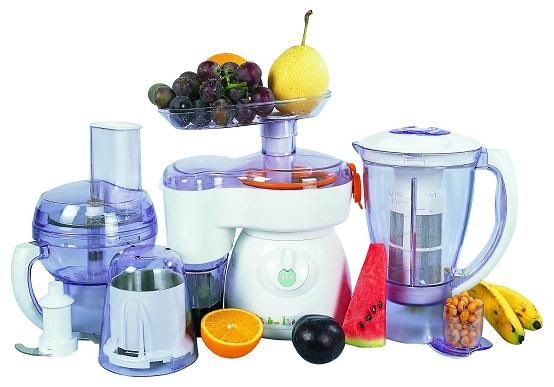
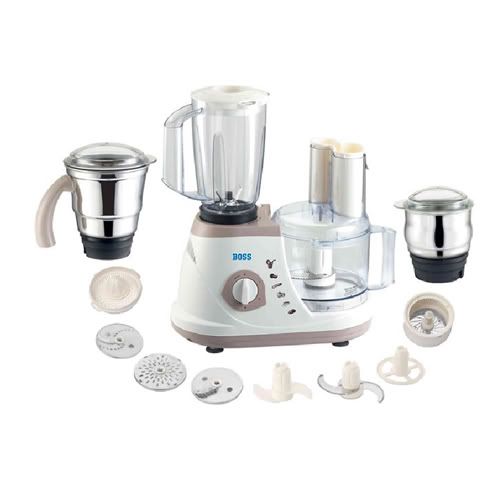
There has been a recent trend within the kitchen appliance industry to create "multi-taskers." Consumers are looking for appliances that give them the biggest bang for their buck and a two-in-one machine has undeniable appeal. The food processor and blender combination appliance is no exception.
The problem with trying to create a machine that does the job of two different kitchen appliances is that it can't truly perform exceptionally in either function. To understand this most thoroughly, let's examine the fundamental differences between food processors and blenders.
A food processor is definitely the more versatile of the two. It is equipped with sharp, precise blades with the intent to chop, slice, shred and purée. It excels at processing solid foods into ready to eat or ready to cook preparations.
 A good food processor can produce cut food which is similar to food cut by hand with a knife. It can also knead bread or pasta doughs with ease, sparing cooks the hard labor long associated with these tasks.
A blender at the most basic level is meant to blend things. It excels at liquefying, emulsifying and puréeing. It has tougher, less precise blades. They are perfect for grinding ice and producing smooth, completely liquid results.
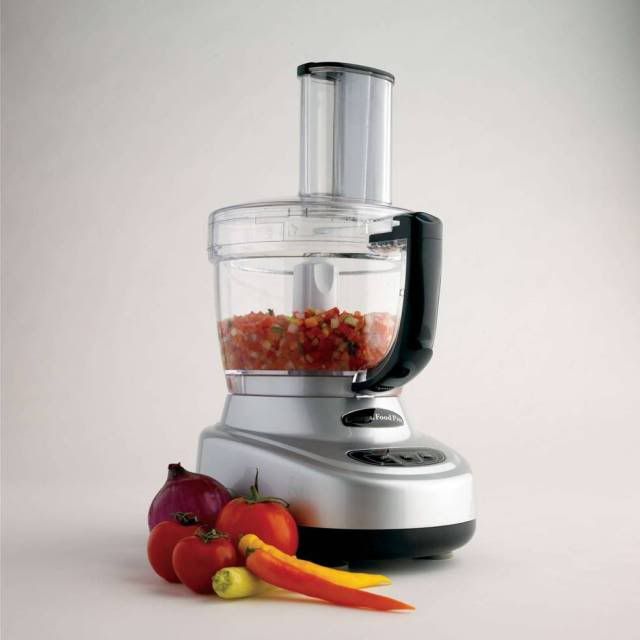
Let's look at a few examples where these two machine differ. Imagine making a simple salsa with fresh tomatoes, onions, peppers, cilantro and lime juice. In a food processor you would have your choice of consistencies. A few pulses would give you a chunky yet well combined salsa. A few more pulses would give you a smoother, well blended version. In a blender, your only option would be the well blended version.
Now picture a homemade butternut squash soup. The blender would purée this like a champ, leaving you with a silky smooth treat. The food processor COULD do the same thing, but it would likely take a few batches. It is not intended for large amount of liquids and filling beyond the halfway mark leads to leakage.
Let's look at frozen drinks. A few ice cubes, the juice of your choice and a bit of liquor go into your blender and out comes a delicious frosty beverage. Try the same with your food processor and the more sharp and precise blades will be permanently damaged.
The general rule is this; think food processor when dealing with solid foods and blender when dealing with liquids. There are of course exceptions to this which you will learn with time and experience.
Once you realize the fundamental difference between the two appliances you'll understand why one machine is unlikely to do the job of both. So who should consider a food processor / blender combo? A young cook with limited kitchen space just learning the basics could certainly benefit from such a device. Anyone who is looking to eat healthier but is either on a very limited budget or not ready to commit to the purchase of two separate appliances is also a candidate. You may just want to get your feet wet, so to speak, before deciding to buy a high-end food processor or blender. Whatever the case may be, use consumer reviews to see if this is the best option for you. You'll find the top models along with detailed customer reviews HERE.
Heather Krasovec, creator of http://food-processor-reviews.net/, uses her extensive experience in food based industries to help consumers make better choices when stocking their kitchens.

Food Processors and Multiple Speed Settings

How Many Speeds Does a Food Processor Need?
The answer to this is quite simple:one. Many people look for a food processor with multiple speeds and are perplexed to find all the most sought after brands and models only possess a single speed. How could Cuisinart, KitchenAid, Viking and all the other best rated food processor makers overlook such an important feature when producing their machines? Why is it that only the cheaper models thought to include something so useful?
 Why Only One Speed?
Quite simply, there is no need for more than one speed in conjunction with a pulse feature. You read correctly; multiple speeds are useless. I only repeat this because so many first time buyers are convinced they absolutely need more buttons. Modern consumers tend to believe more buttons on an appliance are always a good thing. The pulse option is how you will control how quickly and how evenly your food is processed.
You will find a few reviews berating top performing food processors for only offering a single speed. You might also notice that the only models that do have multiple speed settings did not receive very good reviews overall. These lesser machines use their speed options to entice first time food processor buyers into overlooking the smaller, less efficient motors and inadequately constructed machines.
How To Control The Speed
You may encounter some difficulty in control when you begin using a food processor. Time and experience will correct this. You will find yourself engaging the "pulse" button much more often than the "on" button. A few short, quick bursts (on a well powered machine) will give you large even chunks. A few more pulses should give you a fine dice. You will find the "pulse" feature will give you all the control over speed that you need. This does take a certain level of skill and experience, which luckily does not take long to attain. A good manual / cook book combo is a great idea for first time users.
Finding The Best Food Processor
For more tips on what you should look for in a food processor, check out a good Buying Guide. After narrowing down your search be sure to read consumer reviews. Truthful, unbiased reviews can give you insight you won't find anywhere else. You can see which makers have the best record for reliability. Reviews will highlight the pros and cons of a model you are interested in before committing. You will see which problems may arise and know how to avoid them.
Heather Krasovec, creator of http://food-processor-reviews.net/, uses her extensive experience in food based industries to help consumers make the best choices when stocking their kitchens.

Is the Best Food Processor Light or Heavy?

The Appeal of a Light Appliance
Many people choose a lighter food processor for the ease with which it can be moved. Going from cupboard to counter with a heavy machine does involve a bit of hassle. You will find many reviews in which the author is bemoaning the hefty weight of an otherwise fine appliance. What often goes unnoticed is the fact that all the best food processors are relatively heavy and this is certainly not a coincidence.
Weight and Power
A more powerful motor will weigh more than a cheaper, less efficient motor. This will always hold true. When you buy a lighter food processor you are exchanging the ability to produce easy, consistent results for the ability to easily move the machine more easily. When you consider the reasons you wanted this handy kitchen appliance to begin with, this hardly seems a fair trade.
  
The Results of Inadequate Power
A poorly powered food processor will leave you with inconsistent results. This means instead of being able to evenly chop vegetables you will end up with some in larger than desired chunks and some completely pureed. Your soup will have some unprocessed bits of food in it rather than the silky smooth texture you were looking for. The butter you try to cut into your pie crust will melt before being well combined. After a while you won't even want to bother taking your food processor out of the cabinet, completely eliminating the hassle of moving it around. This is hardly an ideal situation.
Weight and Stability
A heavier motor also adds to the overall stability of the food processor. This prevents it from jumping around the counter or excessively vibrating while in use. Some of the cheaper models have added suction cups to the bottom of the machines to compensate for the lack of stability but this does not offer the same smooth, stable processing the better models do.
The Best Solution
It is probably preferable to deal with moving a heavier food processor around to get the performance that you are looking for. The problems incurred due to a underpowered machine far outweigh the little bit of extra muscle you'll need to use to tote around your new favorite kitchen appliance. Most home cooks find their food processor to be so indispensable that they find an honored permanent place on their countertop, eliminating this dilemma completely. Check out a good Buying Guide and use consumer reviews to find the best machine for you.
Heather Krasovec, creator of http://food-processor-reviews.net/, uses her extensive experience in food based industries to help consumers make the best choices when stocking their kitchens.

Why A Quality Food Processor Wins Every Time

In a technical world where it's possible to buy any product with the simple click of a mouse, the average buyer finds themselves with millions of options. Probably too many options to be honest.
The world wide web continues to grow each and every day as more sites and products are added. This poses a difficult dilemma to the average consumer. They need to decide which product to buy, where to buy it from and what price to pay for it.
With the vast array of opportunities on display, it is often tempting to go for the best deal, but it is important to remember that when it comes to the best deal, cheaper doesn't always mean better.
 By definition the 'best deal' means the best value for money. This is an important phrase to remember as it is very easy to assume that the lowest price is the best deal.
These days, most food processors will come with at least a 1 year warranty, but you want to make sure that you are buying a device that will not require you to use this warranty.
Which scenario would you prefer?
Having a processor that cost you $60 break after a year, or having a processor that cost you $150 last you 9 years? I'm sure you will agree that the second option is a far better one, with an average annual cost of only $16 rather than $60. This is a simple example why a quality machine will always pay for itself in the long run.
Now on the other hand, you don't want to overdo it on the quality. If you buy a $600 machine that lasts you 10 years, you are back at square on with your $60 a year cost. My personal experience is that it is always better to shop for products in the medium price range. You will usually find they last just as long as the higher priced products, but will give you a much better cost return.
Of course these numbers are just a hypothetical example, but the point is still the same. Don't make the mistake of buying a cheap kitchen appliance for the short-term because it will cost you a lot more in the long-run. When it comes to the machinery in your kitchen, quality wins every time.
Now that you know the facts, make sure you visit the KitchenAid Food Processor Reviews site.